

Archive

May 4, 2024

Browsing

Isopods, frequently alluded to as woodlice or pill bugs, are entrancing creatures that occupy different environments worldwide. While generally found in soggy, dim conditions like backwoods and nurseries, these little spineless creatures have additionally tracked down their direction into the homes and hearts of devotees all over the planet. With their interesting way of behaving, diverse species, and low-upkeep care prerequisites, Uk isopods for sale have become progressively famous as pets.

Diverse Species:

One of the most wonderful parts of isopods is their unimaginable variety. With more than 10,000 realized species possessing many natural surroundings, there is no deficiency of assortment with regards to these entrancing creatures. Whether you’re attracted to the exemplary look of the armadillo isopod or the colorful magnificence of the powder blue isopod, there’s a species to suit each taste and inclination.

Unique Behaviors:

Isopods are eminent for their captivating ways of behaving, which add to their allure as pets. These creatures are known for their capacity to move into a ball when undermined—a protective system that has earned them the moniker “roly-polies.” Isopods are likewise friendly creatures that flourish in gatherings, making them superb subjects for objective fact and study. From searching for food to taking part in public prepping meetings, isopods show a large number of entrancing ways of behaving that enthrall the interest of lovers.

Low-Maintenance Care: 

One of the critical advantages of keeping Uk isopods for sale as pets is their low-support care prerequisites. These strong creatures are somewhat simple to really focus on, making settling on them an ideal decision for amateurs and experienced specialists alike. With the right arrangement and negligible oversight, isopods can flourish and replicate, giving unending pleasure to their proprietors.

Availability for Sale:

As interest in isopods keeps on developing, so too does the accessibility of these unique creatures available to be purchased. Online retailers, pet stores, and specialist raisers offer a wide choice of isopods available to be purchased, going from normal species to intriguing and fascinating assortments. Whether you’re hoping to begin your own isopod state or add a couple of new species to your assortment, there are a lot of choices accessible to suit your necessities and inclinations.

Isopods are really unique creatures that offer interminable interest for lovers, everything being equal. With their diverse species, fascinating ways of behaving, and low-upkeep care prerequisites, isopods make amazing pets for anybody hoping to investigate the world of colorful spineless creatures. Whether you’re a carefully prepared specialist or an inquisitive fledgling, there’s no deficiency of isopods available to be purchased, ready to be found and delighted in.

Commercial real estate represents a diverse and dynamic sector of the property market, encompassing a wide range of property types, including office buildings, retail spaces, industrial warehouses, and more. 

Whether you’re an investor looking to diversify your portfolio, a business owner in need of a new location, or a developer seeking to capitalize on emerging trends, the world of commercial real estate offers a wealth of opportunities. 

In this article, we’ll explore the nuances of commercial real estate, its various asset classes, and the key factors to consider when navigating this thriving market.

Understanding Commercial Real Estate: An Overview

Commercial real estate refers to properties used primarily for business purposes, as opposed to residential properties used for living purposes. The commercial real estate market is driven by factors such as economic growth, demographic trends, and industry dynamics, making it highly dynamic and responsive to changes in the business environment.

Diverse Asset Classes: Exploring the Spectrum of Commercial Real Estate

Commercial real estate encompasses a wide range of asset classes, each with its own unique characteristics and investment potential:

  • Office Buildings: Office buildings are among the most recognizable and prevalent types of commercial real estate. They range from Class A skyscrapers in major urban centers to suburban office parks and co-working spaces.
  • Retail Spaces: Retail properties include shopping malls, strip malls, standalone retail stores, and mixed-use developments. The retail sector is evolving rapidly due to the rise of e-commerce and changing consumer preferences.
  • Industrial Properties: Industrial properties include warehouses, distribution centers, manufacturing facilities, and logistics hubs. With the growth of e-commerce and global supply chains, industrial real estate has become increasingly sought after by investors.
  • Multifamily Properties: Multifamily properties include apartment buildings, condominium complexes, and student housing developments. The multifamily sector offers stable cash flow and long-term growth potential, making it a popular choice for investors.
  • Hospitality Properties: Hospitality properties include hotels, resorts, and vacation rentals. The hospitality sector is highly cyclical and sensitive to factors such as tourism trends and economic conditions.
  • Special Purpose Properties: Special purpose properties include healthcare facilities, educational institutions, and recreational venues. These properties often require specialized knowledge and expertise to operate successfully.

Key Considerations: Factors to Keep in Mind

When navigating the world of commercial real estate, there are several key factors to keep in mind to ensure a successful investment or transaction:

  • Location: Location is paramount in commercial real estate. Properties in prime locations with high visibility, accessibility, and proximity to amenities tend to command higher rents and poperty values.
  • Market Trends: Stay informed about market trends, including supply and demand dynamics, vacancy rates, rental rates, and capitalization rates. Understanding market conditions will help you make informed decisions and identify opportunities.
  • Tenant Quality: The quality of tenants can significantly impact the performance of a commercial property. Evaluate tenant creditworthiness, lease terms, and tenant mix to mitigate risk and maximize income potential.
  • Property Condition: Assess the condition of the property, including its physical condition, maintenance history, and potential for renovation or redevelopment. A well-maintained property with modern amenities is more likely to attract tenants and command higher rents.
  • Financing Options: Explore financing options available for commercial real estate investments, including traditional mortgages, commercial loans, and alternative financing solutions. Choose the financing option that best aligns with your investment goals and risk tolerance.

Conclusion: Seizing Opportunities in Commercial Real Estate

In conclusion, commercial real estate offers a multitude of opportunities for investors, developers, and business owners alike.

By understanding the diverse asset classes within the commercial real estate market and considering key factors such as location, market trends, tenant quality, property condition, and financing options, stakeholders can make informed decisions and capitalize on emerging trends and opportunities. 

Whether you’re seeking to acquire a property, lease space for your business, or develop a new project, the world of commercial real estate is ripe with potential for those willing to seize it.


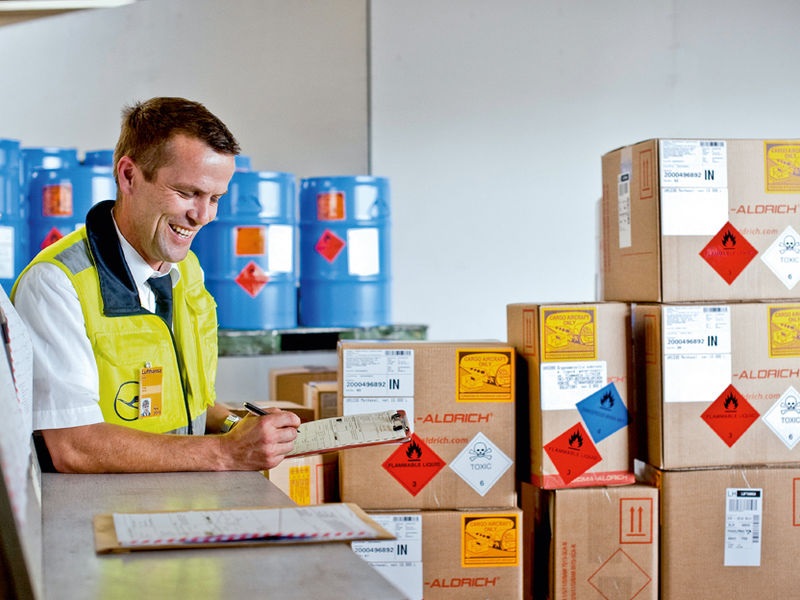
Transporting dangerous goods (DG) is a careful process that demands thorough planning, strict adherence to regulations, and a strong commitment to safety. Whether dealing with chemicals, explosives, or radioactive materials, transporting these goods requires precision on the end of a dangerous goods courier to reduce risks and ensure the safety of both people and the environment.

Here are the key aspects of safely transporting dangerous goods explained in a simple and detailed manner.

Understanding the Risks

Transporting dangerous goods involves various risks that need careful attention. These risks can include:

  • Chemical Spills: Accidental release of hazardous chemicals can cause harm to people and the environment.
  • Fires and Explosions: Some materials are highly flammable or explosive.
  • Environmental Contamination: Leaks or spills can damage the environment.

Knowing the properties and potential hazards of the materials being shipped is crucial for developing effective safety measures.

Regulatory Compliance

Strict regulations govern the transportation of dangerous goods. These rules vary depending on how and where the goods are transported. Compliance with these regulations is essential and involves:

  • Proper Labeling: Clearly marking packages to show they contain hazardous materials.
  • Appropriate Packaging: Using the right containers to safely hold the dangerous goods.
  • Documentation: Keeping detailed records of the materials being transported.
  • Training Personnel: Ensuring that all staff involved in the transportation process are properly trained and understand the regulations.

Packaging and Labeling

Proper packaging and labelling are vital for safely transporting dangerous goods. This involves:

  • Choosing the Right Packaging Materials: Containers must be selected based on the specific properties of the materials, such as corrosiveness, flammability, or toxicity.
  • Securing Containers: Making sure containers are sealed correctly to prevent leaks or spills.
  • Clear Labeling: Clearly labeling packages with hazard warnings and handling instructions.

Handling and Storage Techniques

Safe handling and storage of dangerous goods are critical to prevent accidents. Key practices include:

  • Proper Loading and Unloading: Following procedures to safely load and unload goods.
  • Segregation of Incompatible Materials: Keeping materials that could react dangerously with each other separated.
  • Adequate Ventilation: Ensuring storage areas are well-ventilated to prevent the buildup of harmful fumes.

Emergency Response Preparedness

Despite careful planning, emergencies can happen, thus being prepared is essential on safeguarding lives. An effective emergency response plan should include:

  • Procedures for Spills and Fires: Clear steps on how to handle chemical spills, fires, and other incidents.
  • Communication Plans: Clear lines of communication to quickly alert and coordinate with all necessary personnel.
  • Regular Drills: Conducting practice drills to ensure everyone knows what to do in an emergency.

Technology and Innovation

Technology can significantly enhance the safety and efficiency of transporting dangerous goods. Some useful advancements include:

  • GPS Tracking Systems: These can monitor the location of shipments in real-time.
  • Advanced Sensors: Sensors that detect changes in temperature or pressure can provide early warnings of potential problems.
  • Data Analytics: Using data to predict and prevent possible risks.

Conclusion

Safely transporting dangerous goods is a complex but essential part of modern logistics. By understanding the risks, complying with regulations, implementing strict safety measures, and using advanced technology, companies can ensure the safe transport of these materials. This protects people, and the environment, and helps maintain high safety standards. Transporting dangerous goods safely requires careful planning, knowledge, and a strong commitment to safety at every step of the process.