Category

Business

Category

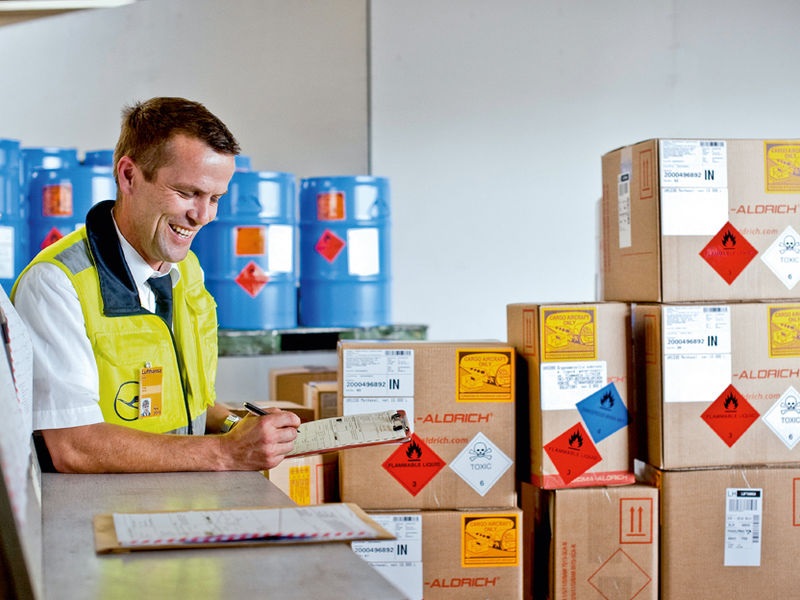
In today’s fast-paced work environment, workplace safety is more critical than ever. Reinforcing a safety culture not only protects workers but also enhances productivity and morale. Creating a culture of safety goes beyond simply adhering to regulations and providing safety and dust control equipment. It involves fostering an environment where employees are empowered to identify and address potential hazards without fear of retribution. By prioritizing safety, organizations not only protect their employees but also improve productivity and reduce costs associated with accidents. Additionally, leveraging technology can play a crucial role in enhancing workplace safety.

The importance of workplace safety

Workplace accidents can have severe consequences, ranging from injuries and disabilities to loss of life. Additionally, accidents can lead to legal implications, damaged reputations, and financial losses. Therefore, companies must prioritize safety and create a culture that promotes safe practices. A strong safety culture sends a clear message to employees that their well-being is valued and protected. This, in turn, fosters trust and loyalty, leading to increased employee satisfaction and productivity. Moreover, a safe work environment reduces absenteeism, turnover, and the associated costs. By investing in reliable dust control solutions from providers like bosstek.com, organizations can not only safeguard their employees but also enhance their overall business performance.

Developing a safety training program

A robust safety training program is essential for equipping employees with the knowledge and skills necessary to identify and address potential safety hazards. The training program should cover a wide range of topics, including general safety such as proper use of personal protective equipment (PPE) and emergency response procedures. Also, different job roles have unique safety requirements, therefore, the training should be tailored to address specific hazards and safe practices associated with each role. Employees should be trained to identify potential hazards in their work environment and report them promptly to the appropriate authority. Additionally, regularly conducting safety training sessions ensures that employees are up-to-date with safety protocols and reinforces the organization’s commitment to their well-being.

Conducting regular safety inspections

Regular safety inspections are crucial for identifying potential hazards and ensuring compliance with safety regulations. During inspections, potential hazards should be documented, and corrective actions should be taken promptly. Inspections should cover all areas of the workplace, including workstations, machinery, storage areas, and common areas. Safety inspections not only help identify existing hazards but also provide an opportunity to assess the effectiveness of safety measures and make necessary improvements.

Implementing safety protocols and procedures

To reinforce a culture of safety, organizations must establish clear safety protocols and procedures. These should outline the steps to be followed in various situations, such as emergencies, accidents, and near-misses. Employees should be trained on these protocols to ensure they are aware of the correct procedures to follow in different scenarios. By implementing standardized dust control and safety protocols, organizations can minimize risks, streamline response efforts, and provide a consistent approach to workplace safety.

Encouraging employee involvement in safety initiatives

Encouraging employees to actively participate in safety initiatives can help identify potential hazards and promote a culture of continuous improvement. By involving employees in safety initiatives, organizations not only tap into their knowledge and experience but also create a sense of ownership and responsibility for workplace safety.

Creating and reinforcing a culture of safety in the workplace is a shared responsibility that requires commitment, communication, and continuous improvement. By following the strategies outlined above, businesses can reinforce their commitment to workplace safety, protect their employees, and create a positive work environment where everyone feels secure and valued.

Local community engagement is a powerful strategy for growing your business, building brand awareness, and establishing long-term customer loyalty. Check out these effective ways by agencies like Spynr on how to grow your business through local community engagement:

Identify Community Needs and Priorities

Start by understanding the needs and priorities of your local community. Conduct market research, attend community meetings, and engage with residents to gain insights into the challenges, interests, and values of the community. Identify opportunities where your business can make a positive impact and contribute to the well-being of the community.

Sponsor Local Events and Organizations

Sponsoring local events, sports teams, or charitable organizations is an effective way to increase brand visibility and demonstrate your commitment to the community. Look for opportunities to sponsor community festivals, fundraisers, youth programs, or cultural events that align with your business values and target audience. Ensure that your brand is prominently featured in event materials and signage to maximize exposure.

Host Community Events and Workshops

Host community events and workshops at your business location to engage with residents and showcase your products or services. Consider hosting open houses, customer appreciation days, or educational workshops on topics relevant to your industry. Provide opportunities for residents to interact with your team, learn more about your business, and build relationships with other community members.

Volunteer and Participate in Community Service

Get involved in community service initiatives and volunteer activities to demonstrate your commitment to making a positive difference in the community. Partner with local nonprofit organizations, schools, or shelters to volunteer your time, resources, or expertise. Participate in community clean-up days, food drives, or fundraising events to show your support for important causes and build goodwill with residents.

Engage with Local Businesses and Organizations

Build relationships with other local businesses and organizations to leverage mutual support and collaboration opportunities. Network with neighboring businesses, join local business associations or chambers of commerce, and participate in business networking events. Explore partnership opportunities such as cross-promotions, co-hosted events, or joint marketing campaigns to expand your reach and attract new customers.

Support Local Causes and Initiatives

Support local causes and initiatives that align with your business values and resonate with the community. Sponsor fundraisers, donate to local charities, or organize fundraising events to support important causes such as education, healthcare, or environmental conservation. Engage with residents and encourage them to participate in community initiatives, fostering a sense of community pride and unity.

Listen to Customer Feedback and Adapt

Listen to feedback from customers and community members to understand their needs, preferences, and concerns. Solicit feedback through surveys, social media, or in-person interactions, and take proactive steps to address customer feedback and improve your products or services. By listening to your customers and adapting to their needs, you can strengthen customer relationships and enhance your business’s reputation within the community.

Wrapping It Up

Stay authentic, genuine, and committed to making a positive impact, and you’ll reap the rewards of community engagement in the form of business growth and success.

When it comes to industrial laundry, heavy-duty washers and dryers are the unsung heroes that keep the operation running smoothly. These robust machines are specifically designed to handle the demanding workload of commercial settings, making them the backbone of industrial laundry facilities worldwide. Additionally, the customizable features and automation options allow for tailored washing and drying processes, ensuring optimal results and streamlined operations.

In this post, we’ll explore the importance of heavy-duty washers and dryers and their role as the backbone of industrial laundry operations.

Exceptional durability and capacity

Industrial laundry facilities need washers and dryers that can withstand constant use and heavy loads. One of the defining characteristics of heavy-duty washers and dryers is their exceptional durability. These machines are built to withstand the rigorous demands of industrial laundry operations. Constructed with high-quality materials and robust components, heavy-duty washers and dryers can endure continuous use and heavy loads without compromising performance. This durability translates into reduced maintenance requirements and fewer downtime instances, allowing businesses to operate smoothly and efficiently. Additionally, heavy-duty machines by gnalaundry.com offer larger drum capacities compared to their residential counterparts. This increased capacity enables industrial laundry facilities to process larger volumes of laundry in a single cycle, enhancing productivity and streamlining operations.

Superior cleaning performance

Industrial-grade washers and dryers are engineered to deliver superior cleaning performance. With advanced features such as high-speed agitation and precise temperature control, these machines can effectively remove tough stains and dirt from various fabrics. They also offer customizable washing programs to meet the specific requirements of different types of laundry, ensuring optimal cleaning results every time.

Energy efficiency and cost savings

While heavy-duty washers and dryers may consume more energy due to their larger capacities, they are designed with energy-efficient features to minimize utility costs. Many models utilize innovative technologies such as water and energy-saving modes, reducing resource consumption without compromising performance. Investing in energy-efficient machines not only helps the environment but also contributes to long-term cost savings for the industrial laundry facility.

Time-saving and increased productivity

The efficiency of heavy-duty washers and dryers is a significant advantage for industrial laundry facilities. With their larger capacities, these machines can process more laundry in a shorter amount of time, maximizing productivity and meeting tight deadlines. This allows the facility to handle higher volumes of laundry and cater to larger customer bases without sacrificing the quality of the results.

Customizable features and automation

Heavy-duty washers and dryers provide industrial laundry facilities with a range of customizable features and automation options. These features enable businesses to tailor their washing and drying processes to specific fabric types, soiled levels, and desired outcomes. With programmable controls and preset cycles, operators can easily adjust settings to optimize performance and meet the unique needs of each load. Automation further enhances efficiency by reducing human error and streamlining operations. With automatic detergent dispensing, precise water level sensors, and cycle monitoring systems, heavy-duty machines take the guesswork out of laundry processing, ensuring consistent and reliable results. The ability to customize and automate various aspects of the laundry process not only saves time but also enhances the overall efficiency and productivity of industrial laundry facilities.

Investing in high-quality machines not only ensures optimal results but also contributes to the overall efficiency and success of industrial laundry facilities. These machines can handle the rigorous demands of commercial settings, providing businesses with the ability to process large volumes of laundry efficiently and effectively.