
Author

Steven Fitzgibbon

Browsing

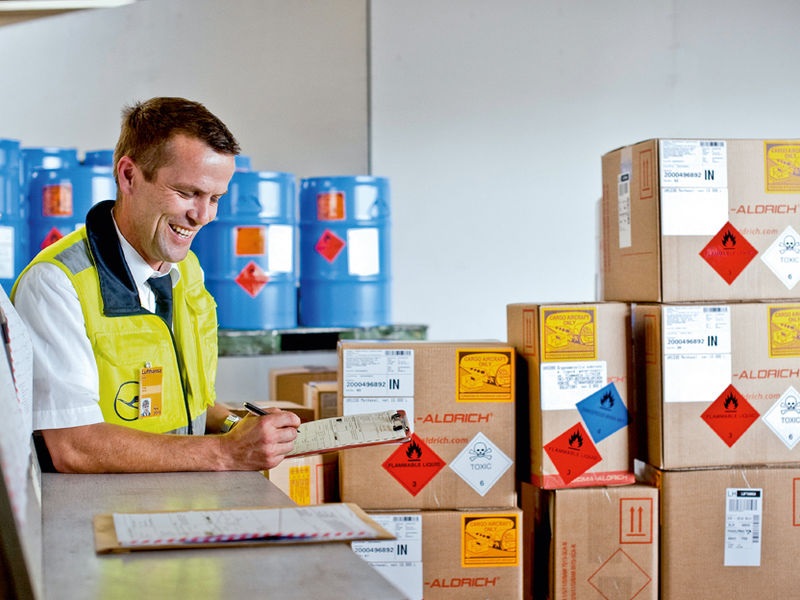
Transporting dangerous goods (DG) is a careful process that demands thorough planning, strict adherence to regulations, and a strong commitment to safety. Whether dealing with chemicals, explosives, or radioactive materials, transporting these goods requires precision on the end of a dangerous goods courier to reduce risks and ensure the safety of both people and the environment.

Here are the key aspects of safely transporting dangerous goods explained in a simple and detailed manner.

Understanding the Risks

Transporting dangerous goods involves various risks that need careful attention. These risks can include:

  • Chemical Spills: Accidental release of hazardous chemicals can cause harm to people and the environment.
  • Fires and Explosions: Some materials are highly flammable or explosive.
  • Environmental Contamination: Leaks or spills can damage the environment.

Knowing the properties and potential hazards of the materials being shipped is crucial for developing effective safety measures.

Regulatory Compliance

Strict regulations govern the transportation of dangerous goods. These rules vary depending on how and where the goods are transported. Compliance with these regulations is essential and involves:

  • Proper Labeling: Clearly marking packages to show they contain hazardous materials.
  • Appropriate Packaging: Using the right containers to safely hold the dangerous goods.
  • Documentation: Keeping detailed records of the materials being transported.
  • Training Personnel: Ensuring that all staff involved in the transportation process are properly trained and understand the regulations.

Packaging and Labeling

Proper packaging and labelling are vital for safely transporting dangerous goods. This involves:

  • Choosing the Right Packaging Materials: Containers must be selected based on the specific properties of the materials, such as corrosiveness, flammability, or toxicity.
  • Securing Containers: Making sure containers are sealed correctly to prevent leaks or spills.
  • Clear Labeling: Clearly labeling packages with hazard warnings and handling instructions.

Handling and Storage Techniques

Safe handling and storage of dangerous goods are critical to prevent accidents. Key practices include:

  • Proper Loading and Unloading: Following procedures to safely load and unload goods.
  • Segregation of Incompatible Materials: Keeping materials that could react dangerously with each other separated.
  • Adequate Ventilation: Ensuring storage areas are well-ventilated to prevent the buildup of harmful fumes.

Emergency Response Preparedness

Despite careful planning, emergencies can happen, thus being prepared is essential on safeguarding lives. An effective emergency response plan should include:

  • Procedures for Spills and Fires: Clear steps on how to handle chemical spills, fires, and other incidents.
  • Communication Plans: Clear lines of communication to quickly alert and coordinate with all necessary personnel.
  • Regular Drills: Conducting practice drills to ensure everyone knows what to do in an emergency.

Technology and Innovation

Technology can significantly enhance the safety and efficiency of transporting dangerous goods. Some useful advancements include:

  • GPS Tracking Systems: These can monitor the location of shipments in real-time.
  • Advanced Sensors: Sensors that detect changes in temperature or pressure can provide early warnings of potential problems.
  • Data Analytics: Using data to predict and prevent possible risks.

Conclusion

Safely transporting dangerous goods is a complex but essential part of modern logistics. By understanding the risks, complying with regulations, implementing strict safety measures, and using advanced technology, companies can ensure the safe transport of these materials. This protects people, and the environment, and helps maintain high safety standards. Transporting dangerous goods safely requires careful planning, knowledge, and a strong commitment to safety at every step of the process.

In the dynamic realm of digital security, there’s been a steady rise in the need for IP stresser tools. These tools, often called IP booters, evaluate the strength and effectiveness of internet-connected systems by mimicking distributed denial-of-service (DDoS) attacks. While their main objective is to aid organizations in gauging their network’s resilience and deploying necessary defences, it’s crucial to acknowledge the potential repercussions of their misuse.

Legitimate use of IP stresser tools

What Is an IP Booter? IP stresser tools play a crucial role in cybersecurity by providing network administrators, security experts, and developers with the means to replicate DDoS attacks under controlled conditions. This capability allows them to:

  • Stress-test network infrastructure – By subjecting systems to simulated high-traffic scenarios, IP stresser tools help organizations identify potential points of failure and evaluate the effectiveness of their mitigation strategies.
  • Validate DDoS protection measures – These tools test the efficacy of DDoS mitigation services, firewalls, and other security solutions, ensuring they can withstand real-world attacks.
  • Analyze network performance – IP stresser tools provide valuable insights into network behaviour under stress, helping organizations optimize their infrastructure for better performance and reliability.
  • Train incident response teams – By simulating DDoS attacks, these tools allow them to practice and refine their protocols, enhancing their ability to effectively manage and mitigate such threats.

Responsible utilization of IP stresser tools

While IP stresser tools serve a legitimate purpose, their potential for misuse cannot be ignored. Unauthorized or malicious use of these tools leads to severe consequences, including legal action, financial penalties, and reputational damage. Organizations and individuals who use these tools must do so responsibly and by applicable laws and regulations.

Key considerations when selecting IP stresser tools

When choosing an IP stresser tool, there are several important factors to consider:

  1. Reputation and track record – Look for providers with a proven track record of delivering reliable and secure services. Reputable providers will have a history of satisfied customers and a commitment to responsible use of their tools.
  2. Transparency and legal compliance – Ensure the provider is transparent about their terms of service, acceptable use policies, and any legal limitations on using their tools. Reputable providers will clearly communicate these guidelines to their customers.
  3. Feature set and customization – Different IP stresser tools offer varying capabilities, such as simulating different attack vectors, customizing traffic patterns, and providing detailed analytics.
  4. Scalability and performance – Consider the tool’s ability to generate high-volume traffic and handle the demands of your testing scenarios. Ensure that the provider scales their services to meet your needs.
  5. Support and documentation – Look for providers that offer comprehensive documentation, tutorials, and responsive customer support to help you get the most out of their IP stresser tools.

IP stresser tools play a crucial role in cybersecurity, allowing organizations to assess the resilience of their network infrastructure and implement appropriate countermeasures. The potential for misuse of these tools cannot be ignored. Organizations harness the power of IP stresser tools to enhance their digital security posture and protect their valuable assets by choosing reputable providers, ensuring transparent and responsible use, and aligning with legal and ethical guidelines.

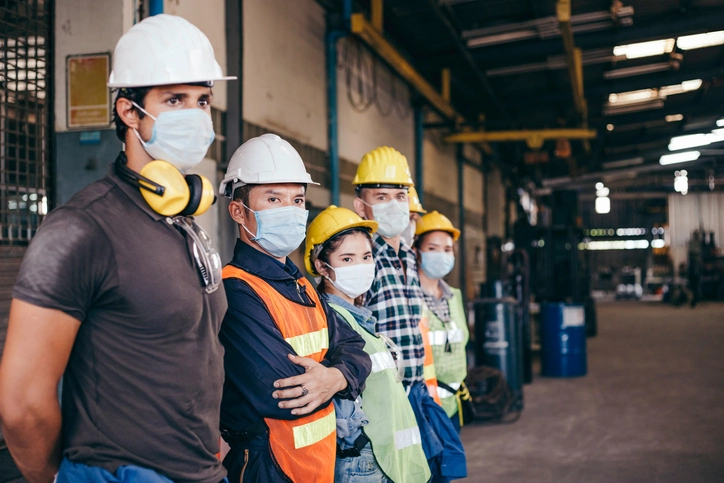
In today’s fast-paced work environment, workplace safety is more critical than ever. Reinforcing a safety culture not only protects workers but also enhances productivity and morale. Creating a culture of safety goes beyond simply adhering to regulations and providing safety and dust control equipment. It involves fostering an environment where employees are empowered to identify and address potential hazards without fear of retribution. By prioritizing safety, organizations not only protect their employees but also improve productivity and reduce costs associated with accidents. Additionally, leveraging technology can play a crucial role in enhancing workplace safety.

The importance of workplace safety

Workplace accidents can have severe consequences, ranging from injuries and disabilities to loss of life. Additionally, accidents can lead to legal implications, damaged reputations, and financial losses. Therefore, companies must prioritize safety and create a culture that promotes safe practices. A strong safety culture sends a clear message to employees that their well-being is valued and protected. This, in turn, fosters trust and loyalty, leading to increased employee satisfaction and productivity. Moreover, a safe work environment reduces absenteeism, turnover, and the associated costs. By investing in reliable dust control solutions from providers like bosstek.com, organizations can not only safeguard their employees but also enhance their overall business performance.

Developing a safety training program

A robust safety training program is essential for equipping employees with the knowledge and skills necessary to identify and address potential safety hazards. The training program should cover a wide range of topics, including general safety such as proper use of personal protective equipment (PPE) and emergency response procedures. Also, different job roles have unique safety requirements, therefore, the training should be tailored to address specific hazards and safe practices associated with each role. Employees should be trained to identify potential hazards in their work environment and report them promptly to the appropriate authority. Additionally, regularly conducting safety training sessions ensures that employees are up-to-date with safety protocols and reinforces the organization’s commitment to their well-being.

Conducting regular safety inspections

Regular safety inspections are crucial for identifying potential hazards and ensuring compliance with safety regulations. During inspections, potential hazards should be documented, and corrective actions should be taken promptly. Inspections should cover all areas of the workplace, including workstations, machinery, storage areas, and common areas. Safety inspections not only help identify existing hazards but also provide an opportunity to assess the effectiveness of safety measures and make necessary improvements.

Implementing safety protocols and procedures

To reinforce a culture of safety, organizations must establish clear safety protocols and procedures. These should outline the steps to be followed in various situations, such as emergencies, accidents, and near-misses. Employees should be trained on these protocols to ensure they are aware of the correct procedures to follow in different scenarios. By implementing standardized dust control and safety protocols, organizations can minimize risks, streamline response efforts, and provide a consistent approach to workplace safety.

Encouraging employee involvement in safety initiatives

Encouraging employees to actively participate in safety initiatives can help identify potential hazards and promote a culture of continuous improvement. By involving employees in safety initiatives, organizations not only tap into their knowledge and experience but also create a sense of ownership and responsibility for workplace safety.

Creating and reinforcing a culture of safety in the workplace is a shared responsibility that requires commitment, communication, and continuous improvement. By following the strategies outlined above, businesses can reinforce their commitment to workplace safety, protect their employees, and create a positive work environment where everyone feels secure and valued.