

Author

Steven Fitzgibbon

Browsing

Pre-purchase inspection reports typically follow a standardized format, making navigating and understanding the information presented easier. Here’s a breakdown of the typical sections you expect to find:

  1. This section summarises the property, including its address, age, type, and any particular limitations or exclusions regarding the inspection.
  2. Exterior components – The report will cover the condition of the property’s roof, siding, windows, doors, and other exterior elements.
  3. Interior components – This section evaluates the condition of walls, floors, ceilings, stairs, and other interior features, as well as the overall layout and functionality of the living spaces.
  4. Structural elements – The inspector will assess the foundation, framing, and other structural components to identify any potential issues or areas of concern.
  5. Plumbing system – This section covers the water supply, drainage, and plumbing fixtures, including sinks, toilets, and showers.
  6. Electrical system – The report will examine the electrical service, wiring, outlets, and other components to ensure safety and functionality.
  7. Appliances and other components – Depending on the scope of the inspection, the report may include observations on major appliances, fireplaces, or other amenities.
  8. Summary and recommendations – This section typically overviews the most significant findings and recommendations for repairs or further evaluation.

By understanding the report’s structure, you easily navigate the sections most relevant to your concerns and prioritize areas requiring attention. navigate here for building inspections Sydney.

Prioritizing deficiencies and recommendations

Once you’ve reviewed the report, it’s essential to prioritize the deficiencies and recommendations based on their severity and potential impact. Here are some guidelines to help you prioritize:

  • Safety hazards – Address any safety hazards identified in the report as a top priority, such as electrical issues, structural defects, or hazardous materials.
  • Major systems and components – Deficiencies related to major systems like the roof, foundation, plumbing, or HVAC should be prioritized, as these are costly and significantly impact the property’s livability and value.
  • Deferred maintenance – While not necessarily urgent, addressing deferred maintenance issues prevents further deterioration and more expensive repairs down the line.
  • Code violations – Depending on the severity, code violations may need to be addressed to ensure compliance and avoid potential fines.
  • Cosmetic Issues – While less pressing, cosmetic issues like outdated fixtures or minor scratches and dents still impact the property’s overall value and appeal.

By prioritizing the deficiencies and recommendations, you develop a plan of action and determine which issues need immediate attention and which are addressed over time.

Seeking professional advice

While the pre-purchase inspection report provides valuable information, seeking professional advice and expertise is important when addressing significant deficiencies or complex repairs. Consider consulting with the following professionals:

  1. Real estate agent – Your agent guides how the inspection report’s findings may impact the negotiation process, potential repairs, or the property’s overall value.
  2. Contractors or specialists – For major repairs or deficiencies that require specialized knowledge, seek quotes and advice from licensed contractors or specialists in the relevant field, such as roofers, plumbers, or electricians.
  3. Home inspector – Don’t hesitate to contact your inspector for clarification or additional information regarding their findings and recommendations.

By working with professionals and seeking expert advice, you make informed decisions and ensure that any necessary repairs or modifications are addressed properly and to industry standards.

TikTok, views signify more than mere numbers; they serve as the driving force behind your content’s visibility and outreach. The platform’s algorithm, intricate and dynamic, continuously evaluates user interaction to ascertain which videos merit a place on the prized “For You” page. Accumulating views, particularly within the pivotal first hours of posting, significantly heightens the likelihood of your content skyrocketing into viral territory.

Think of views as the key that unlocks TikTok’s massive audience. With billions of active users, the potential for your content to be seen by a vast and diverse global audience is staggering. However, with a steady influx of views, your videos can avoid languishing in obscurity, buried beneath the never-ending stream of new content vying for attention.

Hacking the algorithm with bought views

TikTok’s algorithm is a complex and ever-evolving beast, constantly adapting to user behaviour and engagement patterns. However, one constant remains: it heavily favours content that generates high levels of engagement, particularly in the form of views, within the first few hours of posting. This initial surge in viewership is a powerful signal to the algorithm, indicating that your content is worth recommending to a broader audience.

By strategically acquiring bought views, you essentially “hack” the algorithm, giving your content the initial boost it needs to capture the platform’s attention. This surge in visibility increases the likelihood of your video resonating with the right audience, setting off a chain reaction of organic engagement, shares, and viral success. While the benefits of buying TikTok views are clear, choosing a reputable and trustworthy service provider is crucial. The market is saturated with companies offering low-quality or fake views, potentially harming your account and credibility and undermining your entire content strategy pop over to these guys.

Opt for providers that offer high-quality, authentic views from real TikTok users. These services ensure that the boost you receive is genuine and aligned with the platform’s guidelines, maximizing the impact of your investment and minimizing the risk of penalties or account suspension. To truly maximize the impact of bought views, it’s essential to integrate them into a comprehensive, multi-faceted content strategy.

  • While views are crucial, they should never come at the expense of content quality. Focus on creating engaging, visually appealing, relevant videos that resonate with your target audience.
  • Maintain a consistent posting schedule, leveraging popular trends and hashtags to increase your content’s discoverability. This consistency will amplify the impact of your bought views and foster a loyal following.
  • TikTok is a two-way street. Interact with your viewers, respond to comments, and cultivate a community around your content. This engagement will strengthen your relationships with existing followers and attract new ones.
  • Continuously analyze your content’s performance and adapt your strategy accordingly. Identify what resonates with your audience and double down on those elements while refining or pivoting away from less successful approaches.

As TikTok continues to evolve and grow, the importance of views is unlikely to dish. As competition on the platform intensifies, views will become an even more critical metric for success, separating the viral sensations from the forgettable content.

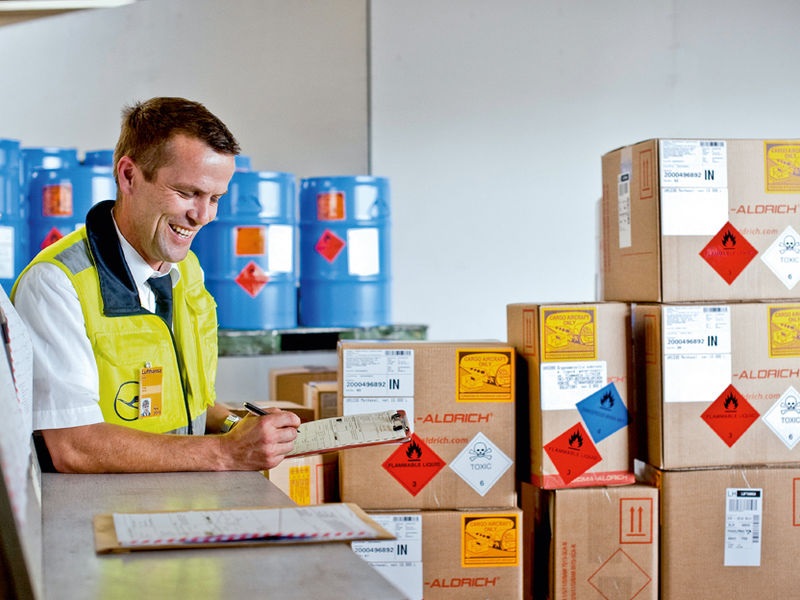
Transporting dangerous goods (DG) is a careful process that demands thorough planning, strict adherence to regulations, and a strong commitment to safety. Whether dealing with chemicals, explosives, or radioactive materials, transporting these goods requires precision on the end of a dangerous goods courier to reduce risks and ensure the safety of both people and the environment.

Here are the key aspects of safely transporting dangerous goods explained in a simple and detailed manner.

Understanding the Risks

Transporting dangerous goods involves various risks that need careful attention. These risks can include:

  • Chemical Spills: Accidental release of hazardous chemicals can cause harm to people and the environment.
  • Fires and Explosions: Some materials are highly flammable or explosive.
  • Environmental Contamination: Leaks or spills can damage the environment.

Knowing the properties and potential hazards of the materials being shipped is crucial for developing effective safety measures.

Regulatory Compliance

Strict regulations govern the transportation of dangerous goods. These rules vary depending on how and where the goods are transported. Compliance with these regulations is essential and involves:

  • Proper Labeling: Clearly marking packages to show they contain hazardous materials.
  • Appropriate Packaging: Using the right containers to safely hold the dangerous goods.
  • Documentation: Keeping detailed records of the materials being transported.
  • Training Personnel: Ensuring that all staff involved in the transportation process are properly trained and understand the regulations.

Packaging and Labeling

Proper packaging and labelling are vital for safely transporting dangerous goods. This involves:

  • Choosing the Right Packaging Materials: Containers must be selected based on the specific properties of the materials, such as corrosiveness, flammability, or toxicity.
  • Securing Containers: Making sure containers are sealed correctly to prevent leaks or spills.
  • Clear Labeling: Clearly labeling packages with hazard warnings and handling instructions.

Handling and Storage Techniques

Safe handling and storage of dangerous goods are critical to prevent accidents. Key practices include:

  • Proper Loading and Unloading: Following procedures to safely load and unload goods.
  • Segregation of Incompatible Materials: Keeping materials that could react dangerously with each other separated.
  • Adequate Ventilation: Ensuring storage areas are well-ventilated to prevent the buildup of harmful fumes.

Emergency Response Preparedness

Despite careful planning, emergencies can happen, thus being prepared is essential on safeguarding lives. An effective emergency response plan should include:

  • Procedures for Spills and Fires: Clear steps on how to handle chemical spills, fires, and other incidents.
  • Communication Plans: Clear lines of communication to quickly alert and coordinate with all necessary personnel.
  • Regular Drills: Conducting practice drills to ensure everyone knows what to do in an emergency.

Technology and Innovation

Technology can significantly enhance the safety and efficiency of transporting dangerous goods. Some useful advancements include:

  • GPS Tracking Systems: These can monitor the location of shipments in real-time.
  • Advanced Sensors: Sensors that detect changes in temperature or pressure can provide early warnings of potential problems.
  • Data Analytics: Using data to predict and prevent possible risks.

Conclusion

Safely transporting dangerous goods is a complex but essential part of modern logistics. By understanding the risks, complying with regulations, implementing strict safety measures, and using advanced technology, companies can ensure the safe transport of these materials. This protects people, and the environment, and helps maintain high safety standards. Transporting dangerous goods safely requires careful planning, knowledge, and a strong commitment to safety at every step of the process.