
Opening a demat account is one of the first steps for anyone planning to invest in stocks, mutual funds, ETFs, IPOs, bonds, or other market-linked instruments. A demat account stores your securities in electronic form and makes buying, selling, and holding investments easier. However, with many brokers and financial platforms offering similar services, choosing the top demat account requires careful comparison.
The right demat account should not only help you hold securities safely but also support your investment habits. Some users need low brokerage for frequent trades, while others prefer simple access to long-term investments. Some investors value research tools, while others focus on low charges and easy account management. This guide explains what a demat account is, how it works, and what factors you should check before selecting one.
What Is a Demat Account?
A demat account, short for dematerialized account, holds your financial securities in digital format. Earlier, investors received physical share certificates, which carried risks such as loss, damage, forgery, or delays in transfer. A demat account removes these issues by keeping securities electronically.
When you buy shares, they are credited to your demat account. When you sell them, they are debited from the same account. The account works through a depository system, usually linked with a broker or depository participant. In India, demat accounts are connected to depositories such as NSDL and CDSL.
Why Choosing the Top Demat Account Matters
Choosing the top demat account can affect your overall investing experience. A poor choice may lead to higher charges, slow support, limited features, or confusing platforms. On the other hand, a suitable account can make investing smoother and more cost-effective.
A good demat account helps users manage stocks, mutual funds, ETFs, and IPO applications in one place. It should also provide easy access to statements, transaction history, portfolio details, and tax-related information. For beginners, the platform should be simple enough to understand. For experienced users, advanced tools and quick execution may be more important.
Key Features to Check Before Opening a Demat Account
Account Opening Charges
Some brokers offer free demat account opening, while others may charge a one-time fee. Although free account opening may seem attractive, you should also check other recurring and transaction-related charges before deciding.
Annual Maintenance Charges
Annual Maintenance Charges, also called AMC, are fees paid yearly to maintain the demat account. Some providers waive this charge for the first year, while others offer lifetime free maintenance under specific conditions. Compare AMC carefully, especially if you are a long-term investor.
Brokerage and Transaction Costs
Brokerage charges apply when you buy or sell securities through a trading account linked with your demat account. These charges may vary for equity delivery, intraday trades, futures, options, and other products. Low brokerage is helpful, but it should not come at the cost of poor platform quality or weak customer support.
Platform Usability
A good platform should be easy to use on both desktop and mobile. Investors should be able to check holdings, place orders, apply for IPOs, and download statements without confusion. Clean navigation is especially important for first-time investors.
Demat Account vs Trading Account
A demat account and a trading account are often used together, but they serve different purposes. A demat account stores securities, while a trading account allows you to buy and sell them in the market.
For example, when you buy shares, the trading account executes the order and the demat account stores the purchased shares. When you sell shares, they are removed from your demat account and sold through the trading account. Most brokers offer both accounts together for convenience.
Importance of Mobile Access and Trading Features
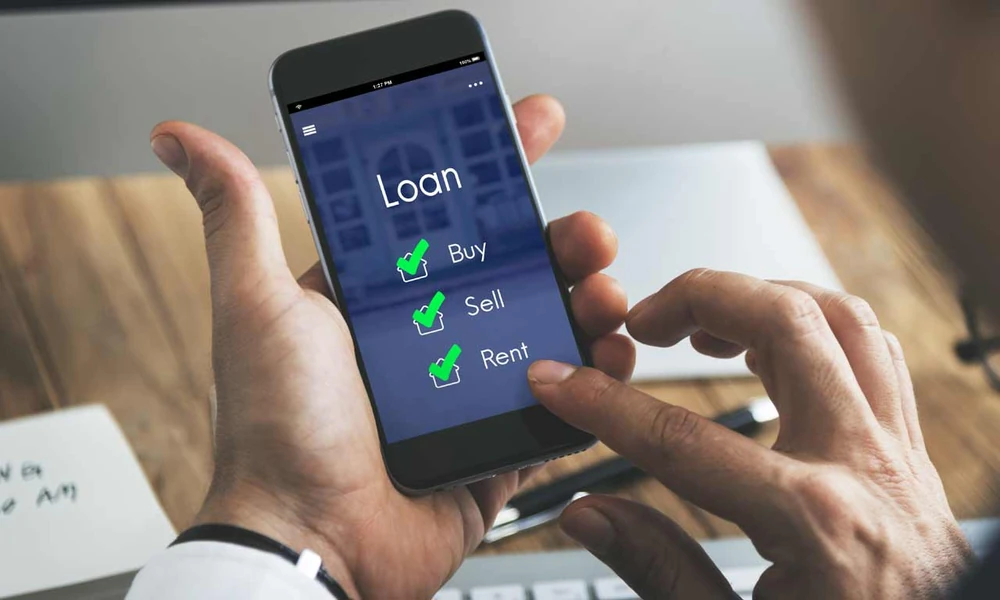
Modern investors prefer platforms that allow them to manage investments from anywhere. This is why mobile access has become an important factor while choosing a demat account. A reliable mobile app should allow users to track holdings, place orders, monitor market movements, and review portfolio performance.
Many investors also compare trading apps before selecting a demat account because the app experience can directly affect order placement, tracking, and portfolio management. A simple and stable app is useful for beginners, while advanced charting tools, watchlists, alerts, and research reports may suit active traders.
However, users should not select a demat account only because the app looks attractive. They should also check data security, uptime, order execution speed, customer reviews, and support quality.
Charges to Compare Carefully
Delivery Brokerage
Delivery brokerage applies when shares are bought and held for more than one trading day. Many discount brokers offer zero brokerage on equity delivery, but users should confirm other charges such as exchange fees, SEBI charges, GST, and stamp duty.
Intraday and F&O Charges
If you trade frequently, intraday and F&O charges become important. Even small differences in brokerage can affect frequent traders over time.
Demat Debit Transaction Charges
These charges apply when securities are debited from your demat account, usually during a sale transaction. Some investors ignore this fee during account opening, but it can matter if you trade regularly.
Call and Trade Charges
Some brokers charge extra if you place orders through phone support instead of the app or website. This may not matter for all users, but it is worth checking.
Safety and Security Factors
Safety is one of the most important factors while selecting the top demat account. Since your securities are stored electronically, the platform should follow proper security practices.
Check whether the broker is registered with SEBI and connected with recognized depositories. Look for features such as two-factor authentication, transaction alerts, secure login, and timely account statements. Investors should also avoid sharing passwords, OTPs, or account credentials with anyone.
Customer Support and Service Quality
Good customer support can save time when you face issues related to login, transactions, pledging, charges, or account statements. Before opening an account, check support channels such as phone, email, chat, and ticket systems.
You can also review how quickly the broker resolves complaints. A low-cost account may not be useful if support is slow or unclear when you need help.
Who Should Open a Demat Account?
A demat account is useful for different types of investors. Beginners can use it to start investing in stocks, ETFs, mutual funds, and IPOs. Long-term investors can hold securities safely for several years. Active traders can use it along with a trading account for regular market transactions.
It is also useful for investors who want a single place to manage multiple financial assets. However, the choice of demat account should depend on investment goals, expected transaction frequency, and comfort with digital platforms.
How to Select the Right Demat Account
Before opening a demat account, compare at least a few providers. Do not select one only because of advertisements or temporary offers. Check the total cost, platform quality, investment options, safety features, and customer service.
Also, review whether the account supports services such as IPO applications, mutual fund investments, pledge facility, reports, and portfolio tracking. Users who prefer managing payments and investments from one place may also check whether the platform supports a linked wallet or similar payment feature for smoother transactions.
This section is important because convenience should be balanced with security. A payment feature can make transactions easier, but users should still verify charges, limits, processing time, and safety controls.
Conclusion
Choosing the top demat account requires more than checking brokerage charges. Investors should compare account opening fees, annual maintenance charges, platform usability, security, support quality, and available investment options. Beginners may prefer a simple and low-cost platform, while active traders may need faster execution, better charts, and advanced order features.
A demat account should match your investment style and long-term financial needs. Before opening one, read the terms, compare charges, and check whether the broker is properly registered. A well-chosen demat account can make investing easier, safer, and more organized.
FAQs
What is a demat account used for?
A demat account is used to hold securities such as shares, ETFs, bonds, and mutual fund units in electronic form.
Can I open a demat account online?
Yes, most brokers allow online demat account opening through digital KYC, PAN, Aadhaar, bank details, and basic verification.
Is a demat account safe?
A demat account is generally safe when opened with a registered broker linked to recognized depositories such as NSDL or CDSL.
What charges apply to a demat account?
Common charges include account opening fees, annual maintenance charges, brokerage, transaction charges, and demat debit charges.
How do I choose the top demat account?
Compare charges, platform quality, safety, customer support, investment options, and mobile app experience before choosing a demat account.
