
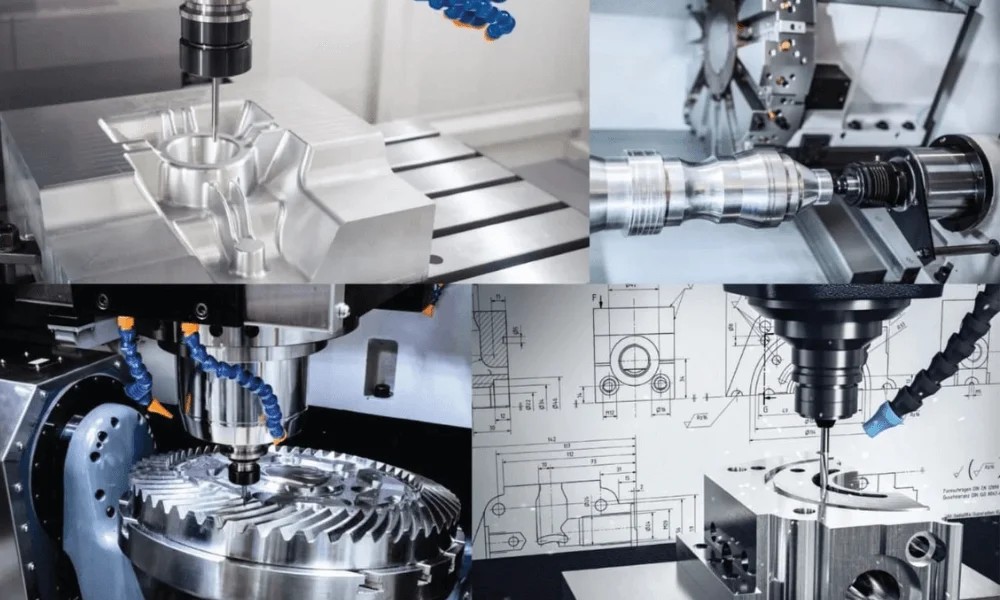
Modern production relies on accuracy and repeatable control to deliver reliable parts. Precision machining plays a key role by shaping materials with tight control and minimal variation. Smooth finishes and strong internal structure both depend on careful tool paths and stable cutting conditions that reduce defects.
When processes stay consistent, parts meet strict standards across batches while limiting waste and rework, strengthening the impact of thailand precision machining in reliable manufacturing.
Controlled Tool Path Accuracy
Careful path planning ensures each cut follows exact coordinates, reducing uneven marks and rough edges. Stable movement limits vibration, which can damage the outer layer and weaken internal strength. Proper alignment between the tool and workpiece supports uniform material removal through every pass.
Optimized Cutting Parameters
Selecting proper speed, feed rate, and depth helps maintain a steady cut that protects material quality. Balanced settings prevent overheating, which can change material properties and create weak spots. Fine-tuning reduces tool wear, keeping edges sharp for cleaner surfaces.
Surface Finish Enhancement Methods
Refinement steps improve outer quality while supporting strength within the component. Techniques focus on removing minor imperfections left after primary cuts.
- Fine abrasive passes reduce micro scratches without affecting material strength
- Controlled polishing improves reflectivity while keeping the structure stable and uniform
- Minimal pressure finishing avoids surface distortion during final refinement stages
- Consistent tool condition supports even texture across the entire component area
- Clean handling prevents contamination that may affect outer layer quality
Material Stability Control
Temperature and stress control during machining keep the structure uniform from start to end. Managing heat avoids expansion that may distort dimensions or create internal tension. Secure clamping methods prevent movement that can introduce hidden defects.
Structural Strength Improvement
Strong internal form depends on precise cuts that avoid microcracks or stress points. Smooth transitions between features reduce stress concentration under load. Balanced removal methods maintain grain structure without unnecessary damage. The thailand precision machining supports reliable outcomes where strength and durability remain essential across repeated use.
Reliable production requires attention to both outer quality and inner strength at every stage. Careful control of movement, cutting settings, and material conditions helps reduce defects while improving consistency. Refinement techniques further enhance results without harming structure. When these elements work together, the parts deliver stable performance with fewer failures and less waste.
FAQs
Why does precision machining improve surface finish in complex components today?
It controls cutting action carefully, producing smoother results with minimal irregularities.
How does machining support structural integrity in demanding mechanical components today?
It reduces stress points and maintains material strength through controlled removal.
Can machining settings affect both finish quality and internal strength outcomes?
Yes, proper adjustments ensure smooth surfaces while preserving a strong internal structure.
