
Author

Stephen Loving

Browsing

When it comes to industrial laundry, heavy-duty washers and dryers are the unsung heroes that keep the operation running smoothly. These robust machines are specifically designed to handle the demanding workload of commercial settings, making them the backbone of industrial laundry facilities worldwide. Additionally, the customizable features and automation options allow for tailored washing and drying processes, ensuring optimal results and streamlined operations.

In this post, we’ll explore the importance of heavy-duty washers and dryers and their role as the backbone of industrial laundry operations.

Exceptional durability and capacity

Industrial laundry facilities need washers and dryers that can withstand constant use and heavy loads. One of the defining characteristics of heavy-duty washers and dryers is their exceptional durability. These machines are built to withstand the rigorous demands of industrial laundry operations. Constructed with high-quality materials and robust components, heavy-duty washers and dryers can endure continuous use and heavy loads without compromising performance. This durability translates into reduced maintenance requirements and fewer downtime instances, allowing businesses to operate smoothly and efficiently. Additionally, heavy-duty machines by gnalaundry.com offer larger drum capacities compared to their residential counterparts. This increased capacity enables industrial laundry facilities to process larger volumes of laundry in a single cycle, enhancing productivity and streamlining operations.

Superior cleaning performance

Industrial-grade washers and dryers are engineered to deliver superior cleaning performance. With advanced features such as high-speed agitation and precise temperature control, these machines can effectively remove tough stains and dirt from various fabrics. They also offer customizable washing programs to meet the specific requirements of different types of laundry, ensuring optimal cleaning results every time.

Energy efficiency and cost savings

While heavy-duty washers and dryers may consume more energy due to their larger capacities, they are designed with energy-efficient features to minimize utility costs. Many models utilize innovative technologies such as water and energy-saving modes, reducing resource consumption without compromising performance. Investing in energy-efficient machines not only helps the environment but also contributes to long-term cost savings for the industrial laundry facility.

Time-saving and increased productivity

The efficiency of heavy-duty washers and dryers is a significant advantage for industrial laundry facilities. With their larger capacities, these machines can process more laundry in a shorter amount of time, maximizing productivity and meeting tight deadlines. This allows the facility to handle higher volumes of laundry and cater to larger customer bases without sacrificing the quality of the results.

Customizable features and automation

Heavy-duty washers and dryers provide industrial laundry facilities with a range of customizable features and automation options. These features enable businesses to tailor their washing and drying processes to specific fabric types, soiled levels, and desired outcomes. With programmable controls and preset cycles, operators can easily adjust settings to optimize performance and meet the unique needs of each load. Automation further enhances efficiency by reducing human error and streamlining operations. With automatic detergent dispensing, precise water level sensors, and cycle monitoring systems, heavy-duty machines take the guesswork out of laundry processing, ensuring consistent and reliable results. The ability to customize and automate various aspects of the laundry process not only saves time but also enhances the overall efficiency and productivity of industrial laundry facilities.

Investing in high-quality machines not only ensures optimal results but also contributes to the overall efficiency and success of industrial laundry facilities. These machines can handle the rigorous demands of commercial settings, providing businesses with the ability to process large volumes of laundry efficiently and effectively.
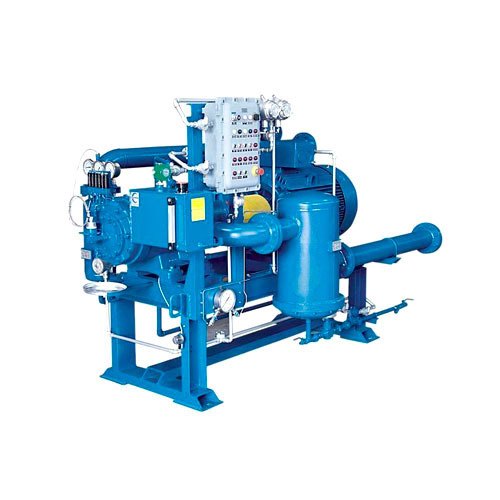

In the fast-paced industrial world, compressor air systems are the lifeblood of many operations, providing the necessary power for various tools and processes. Ensuring these systems are always running efficiently requires comprehensive care, including access to around-the-clock repair services. This article provides insights into the comprehensive care options available for compressor air systems, highlighting the critical role of regular maintenance, the availability of 24/7 repair services, and strategies to prevent system failures.

Importance of Regular Maintenance

Regular maintenance is the cornerstone of comprehensive care for compressor air systems. It ensures that every part of the system is functioning correctly and efficiently, preventing minor issues from turning into major failures.

Preventative Checks

Regular checks can identify wear and tear, leaks, or other potential problems before they lead to system breakdowns. Components like filters, separators, and lubricants need routine replacement to keep the system in top condition.

Efficiency and Energy Savings

Well-maintained compressor air systems operate more efficiently, consuming less energy and reducing operational costs. Regular maintenance can optimize performance and extend the lifespan of the system, offering significant long-term savings.

Around-the-Clock Repair Services

Even with the best maintenance, compressor air systems can experience unexpected issues. Around-the-clock repair services provided by fluid-aire dynamics ensure that help is available whenever it’s needed, minimizing downtime and keeping operations running smoothly.

24/7 Availability

Having access to repair services at all hours means that no matter when a problem arises, expert technicians are available to provide immediate assistance. This around-the-clock support is crucial for businesses that operate continuously or can’t afford long downtimes.

Quick Response Times

Rapid response is essential for minimizing the impact of system failures. 24/7 repair services can quickly dispatch technicians to diagnose and fix issues, often before they cause significant disruption to operations.

Expert Technicians

Technicians specializing in compressor air systems have the expertise to handle a wide range of issues. They can quickly identify problems, provide effective solutions, and offer advice to prevent future breakdowns.

Strategies to Prevent System Failures

While regular maintenance and repair services are vital, implementing strategies to prevent system failures can further enhance the reliability and longevity of compressor air systems.

Regular Training

Ensuring that staff are trained in the correct operation and basic troubleshooting of compressor air systems can prevent misuse and identify issues early. Regular training sessions can keep everyone up-to-date with best practices.

Upgrade and Replacement

Keeping up with the latest technology and replacing outdated components can improve the efficiency and reliability of compressor air systems. Regularly assessing the system and making necessary upgrades can prevent failures and maintain optimal performance.

Tailored Service Plans

Working with service providers to create a tailored maintenance and repair plan can ensure that the specific needs of your compressor air system are met. This personalized approach can provide the most effective and efficient care.

Conclusion

Comprehensive care, including regular maintenance and around-the-clock repair options, is essential for maintaining the efficiency and reliability of compressor air systems. By prioritizing preventative checks, having access to 24/7 repair services, and implementing strategies to prevent system failures, businesses can ensure their compressor air systems support their operations without interruption. Partnering with fluid-aire dynamics provides the expertise and support needed to keep these critical systems in optimal condition, contributing to continuous operational success.


In the ever-evolving realm of technology, businesses continually search for efficient ways to serve their customers better. One such technological advancement that has been quietly transforming the customer service sector is IVR, or Interactive Voice Response. While IVR systems have been in use for a while to manage customer interactions, they’re now making significant inroads into the payment processing sector. But what does this mean for businesses and customers?

What is IVR?

Interactive Voice Response (IVR) is an automated telephony system that interacts with callers, gathers information, and routes calls to appropriate recipients. The beauty of IVR lies in its ability to handle large call volumes without human intervention. A user typically interacts with the IVR through voice commands or keypad inputs.

IVR in Payment Processing

While IVR has various applications, its integration into payment processing has been a game-changer. With ivr payment processing, customers can make payments over the phone without speaking to a live agent. Here’s how it generally works:

  1. User Authentication: The IVR system first verifies the caller’s identity using specific details, such as account number or date of birth.
  2. Payment Details: The caller provides payment details, either through voice or keypad input.
  3. Transaction Authorization: IVR verifies the payment details and processes the transaction.
  4. Confirmation: Once processed, the system provides a confirmation message or number to the caller.

Benefits of IVR Payment Processing

  1. 24/7 Availability: IVR systems are always on, allowing customers to make payments at their convenience.
  2. Cost-Effective: Businesses save significantly as there’s no need for live agents to handle these transactions.
  3. Increased Security: Since there’s minimal human involvement, the risk of data leakage or fraud reduces.
  4. Scalability: IVR can handle a large volume of calls simultaneously, ensuring no customer is left waiting.

Best Practices for Implementing IVR Payment Processing

  1. Clear Voice Prompts: Ensure that the voice prompts are clear, concise, and easy to understand.
  2. Multiple Language Support: Cater to a diverse customer base by offering multi-language support.
  3. Quick Response Time: Minimize the time taken for transaction authorizations to improve user experience.
  4. Regular Updates: Keep the IVR system updated to incorporate the latest security features and functionalities.

For businesses eager to explore this avenue, platforms like the view website offer comprehensive IVR solutions tailored to specific needs. These platforms provide the necessary tools and integrations to set up an efficient IVR payment processing system.

Challenges and Considerations

While IVR payment processing offers a slew of benefits, there are challenges to be mindful of:

  1. System Failures: Technical glitches can result in failed transactions or system downtimes.
  2. Data Security: Ensure that the IVR system complies with payment industry standards to protect customer data.
  3. User Adaptability: Some users might find it challenging to navigate IVR systems, especially those not tech-savvy.

Embracing IVR payment processing is not just about improving operational efficiency; it’s about enhancing customer experience. In a world where instant gratification is the norm, offering quick, secure, and hassle-free payment solutions can set a business apart. As the technological landscape continues to evolve, those who adapt will not only survive but thrive.