Author

Jeffrey Klein

Browsing

Water softening equipment plays a crucial role in improving water quality by reducing mineral content, especially hardness caused by calcium and magnesium ions. Choosing the right water softening equipment supplier is essential for ensuring efficient operation, reliable maintenance, and long-term water quality benefits. Here’s a comprehensive guide to help you navigate the selection process effectively.

Understanding Water Softening Equipment

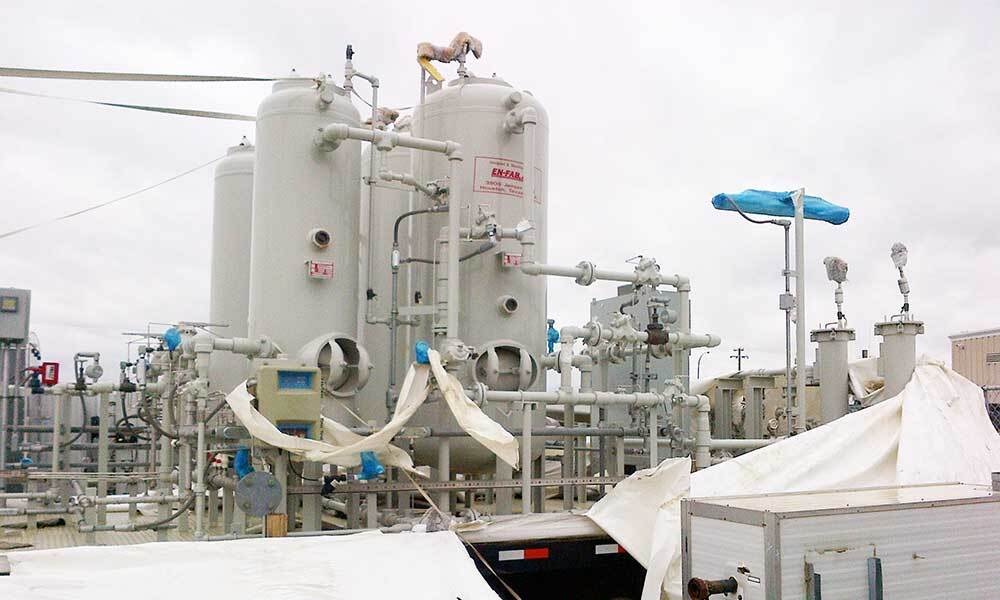
Water softeners are devices designed to remove minerals that cause hardness from water, replacing them with sodium ions through a process called ion exchange. This process helps prevent scale buildup in plumbing fixtures and appliances, prolonging their lifespan and improving water efficiency.

Key Factors to Consider When Choosing a Supplier

  1. Product Quality and Reliability: Opt for suppliers known for offering high-quality water softening equipment that meets industry standards. Reliable suppliers often partner with reputable manufacturers and provide warranties that ensure product performance.
    Example: When selecting a water softening equipment supplier, prioritize those with a proven track record in delivering durable and effective systems. A reputable Water Softening Equipment Supplier ensures that their products meet your water quality needs.
  2. Range of Products and Customization Options: Look for suppliers who offer a variety of water softening solutions to suit different applications and water quality levels. Customization options can tailor systems to specific residential or commercial needs.
    Example: Whether you require a compact system for a small household or a large-scale industrial solution, a versatile Water Softening Equipment Supplier will offer a range of products to meet your requirements.
  3. Installation and Maintenance Services: Choose a supplier that provides professional installation services and ongoing maintenance support. Proper installation ensures optimal system performance, while regular maintenance prolongs equipment lifespan and efficiency.
    Example: A reliable Water Softening Equipment Supplier not only delivers quality products but also offers expert installation and maintenance services to ensure your system operates smoothly.
  4. Customer Support and Reputation: Evaluate suppliers based on their reputation for customer service and support. Reading customer reviews and testimonials can provide insights into how responsive and helpful the supplier is post-purchase.
    Example: Positive customer feedback indicates that a Water Softening Equipment Supplier values client satisfaction and provides excellent support throughout the equipment’s lifespan.
  5. Cost and Value: Compare pricing across different suppliers, considering upfront costs, installation fees, and long-term operational expenses such as salt or maintenance. Balance cost with the value offered in terms of product reliability and service quality.
    Example: While cost is a significant factor, choosing a Water Softening Equipment Supplier based on value ensures that you receive a durable system that efficiently improves water quality over time.
  6. Environmental Considerations: Some water softening systems use more environmentally friendly processes or materials. If sustainability is a priority, inquire about eco-friendly options or systems that minimize water and salt usage.
    Example: Environmentally conscious consumers may prefer a Water Softening Equipment Supplier that offers systems designed to reduce environmental impact while maintaining water quality standards.

Conclusion

Selecting the right Water Softening Equipment Supplier involves careful consideration of product quality, service offerings, customer support, and overall value. By prioritizing these factors and choosing a supplier that aligns with your specific needs, you can ensure efficient water softening solutions that enhance the quality of water in your home or business. Whether you’re looking for residential, commercial, or industrial applications, a reputable supplier will guide you toward the best-fit solution for your water softening needs.


 

In the dynamic landscape of business growth and development, choosing the right location for establishing a company is crucial. For entrepreneurs eyeing the vibrant business opportunities in the United Arab Emirates (UAE), company setup in UAE can pave the way for unprecedented success and growth. Beyond the logistical and legal aspects of setting up a business, one often overlooked yet profoundly impactful factor is corporate culture.

Why Corporate Culture Matters

Corporate culture embodies the values, beliefs, and behaviors that define how a company operates and interacts both internally and externally. It sets the tone for employee engagement, productivity, and overall business performance. When considering company setup in UAE, cultivating a strong corporate culture becomes not just a choice but a strategic imperative. A positive corporate culture fosters innovation, attracts top talent, and enhances employee satisfaction—all of which are critical for long-term sustainability and success.

Building a Cohesive Corporate Culture in UAE

business setup

Establishing a company in the UAE offers a unique opportunity to shape a corporate culture that aligns with global best practices while respecting local norms and values. Companies that prioritize transparency, diversity, and inclusion from the outset tend to thrive in the UAE’s multicultural business environment. Embracing these values not only enhances internal harmony but also strengthens external relationships with clients, partners, and regulatory bodies.

When embarking on a company setup in UAE, integrating these principles into the fabric of the organization can yield significant benefits. Employees feel valued and motivated, leading to higher retention rates and increased productivity. Moreover, a positive corporate culture serves as a powerful differentiator in a competitive marketplace, attracting investors and customers who prioritize ethical business practices and sustainable growth.

Navigating Legal and Cultural Nuances

Navigating the legal framework and cultural nuances of the UAE is essential for any business setup. Embracing local customs while maintaining international standards of corporate governance builds trust and credibility within the community. Companies that demonstrate a commitment to social responsibility and ethical conduct are not only compliant with local regulations but also contribute positively to the socio-economic development of the UAE.

In conclusion, the decision to pursue company setup in the UAE presents unparalleled opportunities for growth and expansion. By prioritizing corporate culture as a foundational element of business strategy, companies can establish a strong presence in the region while fostering an environment conducive to innovation and success. Investing in a positive corporate culture from the outset is not just beneficial—it is essential for long-term viability and competitive advantage in the global marketplace.

Whether you are establishing a startup or expanding your enterprise, the UAE offers a conducive environment for businesses to thrive. By integrating principles of transparency, diversity, and inclusion into your corporate culture, you not only enhance operational efficiency but also contribute to the overall prosperity of the UAE economy.

In conclusion, the importance of corporate culture cannot be overstated when considering company setup in UAE. By cultivating a positive and inclusive workplace environment, businesses can attract top talent, foster innovation, and build enduring relationships with stakeholders. As you embark on your journey of establishing a company in UAE, remember that corporate culture is not just a reflection of your values—it is the cornerstone of your success.

A house is a valuable asset for which most of us end up spending away all of our life savings all at once. All of our savings are spent on something that is meant to be extremely fruitful for us in the long run. A house is one of the most basic needs for a human who truly wants a well-settled life for them.

A house is necessary as it is a responsible structure for providing us shelter from the harmful elements of the outside and keeping us and our loved ones safe. Your house is basically a structure that allows you to get your body the rest it deserves and spend your time within while you are not at any work.

There always comes a time in everyone’s life when one has to buy or sell a property. It might be a house, an apartment, or a condo. Selling a structure that has blessed you with years of unforgettable memories might be tough but at the same time, the new house can call you to build up more memories as you go.

However, if you are a real estate agent, buying & selling properties would be a common practice in your life. Down below, we have listed some essential tips for the ones who are thinking about selling or buying a property in the near future.

1.     Always Share Everything with Your Lawyer

Legal matters can be very complex for a normal human being. Most of us are unaware of the many different laws that are made for each aspect of life. Without having the proper knowledge of these laws, we tend to do things that do not seem illegal but surprisingly are. So, it is better to have a lawyer by your side.

As discussed above, there is every kind of law that restricts everyone in every aspect of one’s life, same goes for the business of selling & buying a house. A real estate lawyer can help you walk through and handle all the legal matters while buying, selling, or even transferring property to or from anyone.

Real estate lawyers do not only assist you in the sale & purchase of a specific property but they can also guide you through the tax that is specified for a specific property.

2.     Prepare Your Property to be sold

The best way to get the most out of a property that you want to sell is by preparing your property to look at its peak condition. Prepare your house by painting your walls and decorating the house with different lights to add more aesthetics.

There is no need to completely remodel a house but you might need to make sure that your house aesthetically pleases the buyer.

3.     Define the Budget for Your New House

A lot of factors roll in when it comes to buying a new house. While buying a new house, you need to go through a list of things such as the location, amenities, and the proper functionality of a house.

The most important thing is to follow a budget. Of course, you would love to have a bigger house but keep an eye on your budget and try not to exceed it.