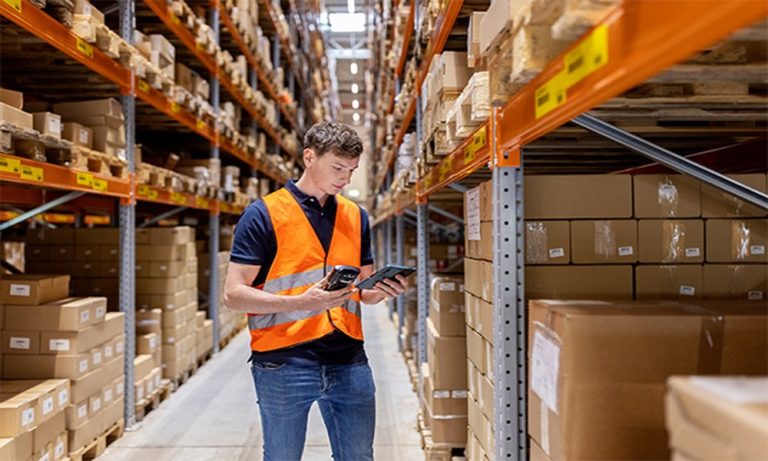
Today’s shoppers expect a lot from online stores, and we can thank Amazon for setting such high standards. When people can order something and have it on their doorstep in one or two days, it creates a high bar for every e-commerce business. That’s why offering fast, reliable delivery and outsourcing fulfillment to a 3PL warehouse is no longer optional-it’s expected.
A study by Salesforce found that 80% of consumers consider the delivery experience a key factor in deciding whether to buy from a brand again. This is where ecommerce fulfillment services come in. These services help businesses handle the entire order process—from receiving inventory to delivering products to customers. Fast shipping is important, but it’s just one part of what makes fulfillment successful. Optimizing all steps of order fulfillment can improve customer satisfaction, reduce costs, and grow your business.
What Happens During E-commerce Order Fulfillment
E-commerce order fulfillment involves several steps that ensure your customers receive their orders quickly and accurately. Each step is important for a smooth experience.
Inventory Receipt and Management
Fulfillment starts with having the right products in stock. This means ordering items from suppliers, checking them for quality when they arrive, and keeping accurate records. Proper inventory management helps avoid running out of products or holding too much stock, both of which can cost your business money.
Storage and Warehousing
How you store products in your warehouse affects speed and accuracy. Items should be easy for staff to access, and the warehouse should be organized to reduce mistakes. Proper storage also helps protect fragile items and keeps popular products easy to reach for faster picking.
Order Processing
When a customer places an order, your system should automatically process it. This step includes confirming payment, updating inventory, and creating packing and shipping slips. Automation at this stage reduces errors and speeds up the entire fulfillment process.
Picking and Packing
Picking and packing products is often the most time-consuming part of fulfillment. Workers need to retrieve the right items and package them safely. During busy seasons or promotions, this process can slow down without proper planning or systems in place.
Order Shipping
Shipping gets the order from your warehouse to the customer’s door. Today’s shoppers expect fast, reliable delivery, so finding ways to reduce shipping times is crucial. This is especially challenging for international orders, where logistics can be more complex.
Returns Handling
Returns are part of e-commerce, and handling them well can improve customer loyalty. A smooth, clear process for returns—also called reverse logistics—makes customers feel confident in buying from your store again.
Why Focusing on E-commerce Fulfillment Matters
Optimizing your fulfillment process isn’t just about speed. There are several benefits for your business.
Cost Reduction
Efficient fulfillment can save your business money. By reducing packing mistakes, lowering shipping costs, and improving staff productivity, you can cut operational expenses.
Enhanced Customer Satisfaction
Accurate orders and on-time delivery improve the customer experience. Fewer mistakes mean fewer returns, and providing clear updates builds trust. Happy customers are more likely to return and recommend your store to others.
Competitive Advantage
Fast, reliable fulfillment sets your brand apart. When customers know they can trust you to deliver as promised, they are more likely to choose your business over competitors.
Expert Guide to Optimizing E-commerce Order Fulfillment
Improving your fulfillment process requires planning and smart strategies. Here’s how you can optimize each step.
Analyze Your Current Processes
Start by reviewing your current fulfillment steps. Look for delays, errors, or areas where improvements can be made. Understanding your strengths and weaknesses helps you focus on the most important changes.
Invest in Updated Systems
Using the right technology makes fulfillment easier. Your warehouse management system (WMS) should work with your order management and inventory systems to create smooth workflows. Automation reduces errors and speeds up processing.
Optimize Your Warehouse Layout
Organize your warehouse so popular products are easy to reach and fragile items are protected. Use space wisely, and consider factors like temperature and security. A well-planned layout saves time and reduces damage.
Streamline Inventory Management
Keeping the right amount of inventory is key. Using tools like RFID tags or inventory software helps track stock automatically and reduces mistakes in order fulfillment.
Improve Customer Visibility
Customers want to know where their orders are. Providing real-time tracking from order placement to delivery builds trust and keeps shoppers satisfied.
Reduce Shipping Times
Faster delivery improves customer satisfaction. You can reduce shipping times by storing products closer to customers, using multiple warehouses, or partnering with logistics providers.
Review Your Warehouse Management
How you manage your warehouse impacts efficiency. Using mobile carts and automation tools allows workers to access information and move products quickly, reducing unnecessary walking and delays.
Use Data and Insights
Data can help you improve fulfillment over time. Track key performance indicators like average shipping time, order accuracy, and return rates. This information helps you make ongoing improvements.
Choose the Right Partners
Third-party logistics providers can handle fulfillment for you if you don’t want to manage it in-house. Working with reliable partners ensures timely deliveries while keeping costs under control.
Plan for Customer Returns
A smooth returns process encourages repeat business. Offering free returns or making the process simple increases customer trust and satisfaction.
Conclusion
E-commerce order fulfillment is a critical part of online business success. By focusing on each stage—from inventory to shipping to returns—you can save money, improve customer satisfaction, and gain a competitive advantage. Implementing smart strategies, updating technology, and using ecommerce fulfillment services effectively can make your fulfillment process faster, more reliable, and more profitable. The result is loyal customers who keep coming back.